

This article was contributed by PamoBabe
The size of your home doesn’t define family life. The way you live in it does.
For many Bay Area parents, welcoming a baby doesn’t come with an extra bedroom or a bigger house. Instead, it comes with a different question: How do we make room for a growing family without giving up the life we love?
In one of the country’s most expensive housing markets, young families are proving that great parenting has very little to do with square footage. Whether it’s a condo in San Francisco, a townhouse in Sunnyvale, or an apartment in Oakland, today’s parents are creating homes that are flexible, intentional and designed to grow alongside their families.
The focus is no longer on having more space. It’s on making every space work better.
Home Has Become More Than One Thing
One of the biggest lifestyle shifts among today’s parents is that every room serves multiple purposes. The dining table hosts breakfast, Zoom meetings and evening crafts. The living room transforms from a workspace into tummy-time central. The primary bedroom often becomes baby’s first nursery.
Rather than dedicating entire rooms to baby gear, modern families are creating homes that adapt throughout the day. It’s a reflection of how people live now—not just in the Bay Area, but across a generation that values flexibility over excess.
Parents Are Choosing Less Stuff—and Better Design
Millennial and Gen Z parents are rethinking what they bring into their homes. Instead of collecting products for every milestone, they’re embracing a “buy less, use longer” mindset. Multifunctional furniture, modular storage and baby essentials that evolve over time fit naturally into homes where every square foot matters.
It’s not simply about saving space. It’s about reducing the mental load that comes with managing too many things. Every extra item has to be assembled, cleaned, stored, packed and eventually replaced. Choosing fewer—but more versatile—products leaves families with something even more valuable than extra room: more time.
Family Life Doesn’t Stop at Home
Living in the Bay Area often means weekends look different every week. One Saturday might start with coffee and a farmers’ market before heading to Golden Gate Park. The next could be a drive to Napa, a beach afternoon in Half Moon Bay, or dinner with grandparents across the bridge. For today’s parents, babies aren’t left behind—they’re part of the adventure.
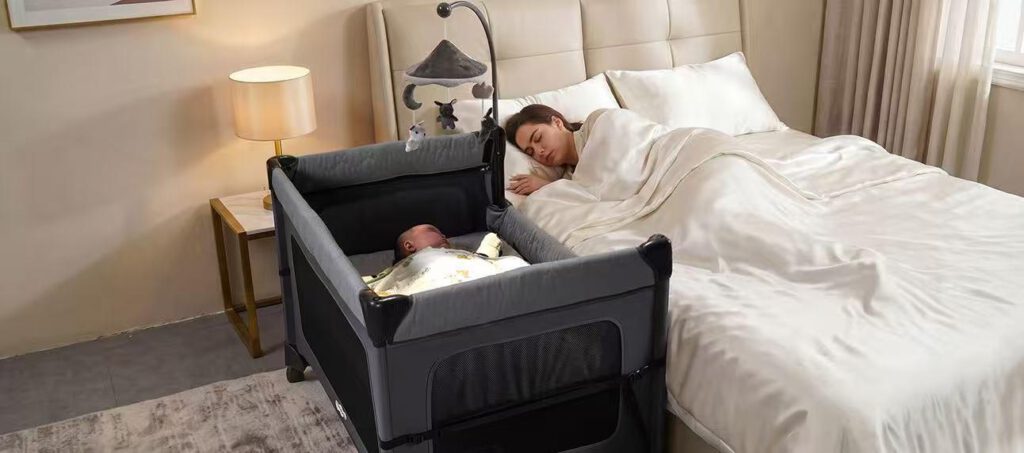
That means home isn’t defined by an address. It’s defined by routines that travel with the family. When babies have a familiar place to sleep and play wherever they are, transitions become smoother for everyone.
The Best Baby Gear Fits Your Lifestyle—Not the Other Way Around
The most useful baby products aren’t always the ones with the longest feature list. They’re the ones that quietly disappear into everyday life. They move easily from bedroom to living room. They fit inside the trunk without forcing parents to play a game of luggage Tetris. They don’t require a manual every time they’re folded away.
Good design should remove friction—not create it. Because after a long drive home, with a baby on one hip, groceries in one hand and a diaper bag on the other shoulder, no parent wants to wrestle with complicated equipment.
Sometimes, the smallest design details make the biggest difference.
Designed for Homes That Are Always Changing
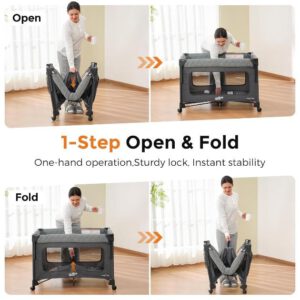
This shift in family life is exactly why brands like PamoBabe are rethinking traditional baby gear. Its Quick-Fold Playard reflects the reality of modern parenting: one product designed to support multiple routines instead of solving just one problem. It functions as a bedside sleeper, bassinet, changing station, play area and travel crib, helping families make better use of limited space without filling their homes with equipment they’ll quickly outgrow.
Its signature Magic Fold one-step folding system is equally practical. Whether parents are moving it between rooms after naptime, packing the car for a weekend away, or simply reclaiming the living room before guests arrive, the playard folds away in seconds—because in everyday family life, convenience isn’t a luxury. It’s part of keeping the household running smoothly. Rather than asking families to adapt their homes around baby gear, thoughtful products should adapt to the way families already live.
The Best Homes Aren’t Measured in Square Feet
Children won’t remember whether they had a dedicated nursery. They’ll remember weekend breakfasts together. Movie nights in the living room. Road trips. Bedtime stories. The comfort of feeling at home wherever their family happened to be.

Modern parenting isn’t about creating a picture-perfect house. It’s about creating a home that’s ready to change, grow and make room for new memories.
Because sometimes, the most meaningful family moments happen in the smallest spaces.
PamoBabe is a baby gear brand featured in this article. Its Quick-Fold Playard is designed to support sleep, changing, play and travel, with a one-step folding system for easier storage and movement.
The editorial staff of Bay Area Parent was not involved in the creation of this content. The content is for general information and does not constitute the financial, medical or professional advice of this publication. Readers should consult qualified professionals regarding their individual circumstances. Bay Area Parent disclaims any liability for loss or damage resulting from reliance on this content.